
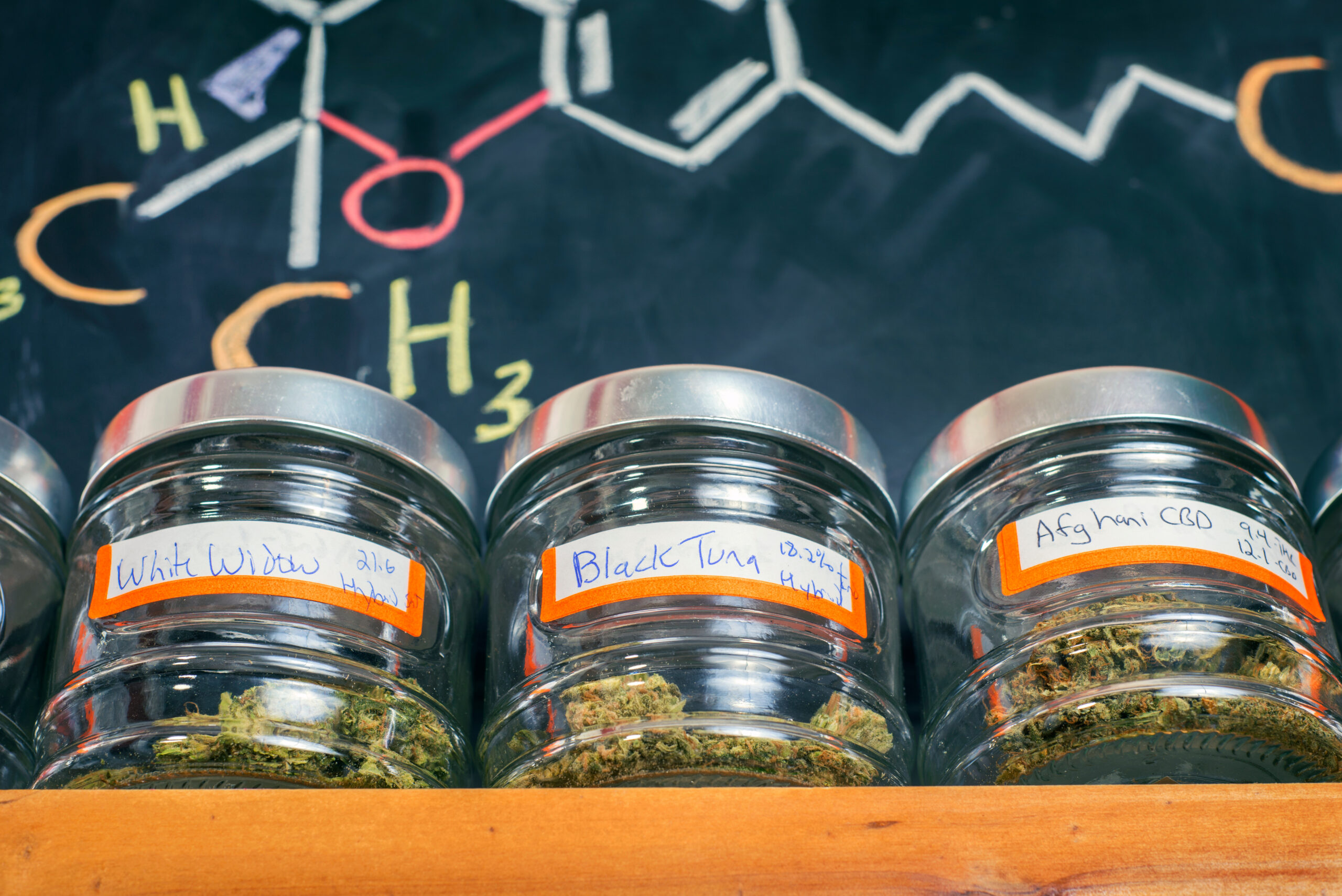
For adults returning to cannabis after years away, the modern dispensary can feel like an entirely different world. In many ways, it is.
If your last experience with cannabis involved a plastic bag and somebody’s friend who knew somebody, today’s dispensary might come as a surprise.
There are menus, laboratory reports, child-resistant packages and products ranging from traditional flower to chocolates, beverages and precisely labeled oils.
There is also a considerable amount of terminology to learn.
For new and returning consumers, the challenge isn’t necessarily finding cannabis. It’s understanding what they’re buying.
A different generation of consumers
Mitch Meyers, co-founder of Missouri cannabis company BeLeaf, has spent considerable time thinking about older adults who are curious about cannabis but hesitant to visit a dispensary.
In a Greenway Magazine interview about BeLeaf and SWADE’s patient education efforts, Meyers acknowledged that many older consumers feel intimidated by modern dispensaries.
“They’re a little bit more intimidated,” Meyers explained.
Someone who last encountered cannabis decades ago may know very little about today’s products or regulations.
“There’s been no education between then and now to this target customer,” Meyers said.
That gap becomes apparent when consumers encounter unfamiliar product names, potency measurements and consumption methods.
Understanding the menu
Flower remains familiar, but it is hardly the only option.
Edibles include gummies, chocolates and infused foods. Tinctures and oils offer liquid formulations, while topicals are applied to the skin. Concentrates generally contain higher concentrations of cannabinoids.
Each category differs in ingredients, manufacturing, and how cannabinoids enter the body.
Inhaled cannabis generally produces effects more quickly than swallowed edibles. Edibles can take considerably longer to work, and their effects may last for several hours.
The Centers for Disease Control and Prevention warns that delayed effects can contribute to accidental overconsumption.
Education makes a difference
Sarah Figueroa, a wellness and aging consultant with BeLeaf, works with older adults navigating the modern cannabis market.
In the same Greenway interview, Figueroa described how people respond when they learn about available product formats.
“They get really excited about it,” she said. “They feel really empowered.”
That confidence comes from understanding the options rather than feeling pressured to choose something unfamiliar.
A dispensary employee should be able to explain product types, cannabinoid content, ingredients and the information available on a label.
But there are limits. Retail employees are not necessarily healthcare professionals, and questions about medications, medical conditions or treatment decisions should be discussed with qualified clinicians.
Medical and adult-use aren’t interchangeable
Cannabis laws vary significantly by state.
Illinois and Missouri operate both medical and adult-use programs, but their registration requirements, taxes, and purchasing rules differ. Other states have medical-only programs or prohibit regulated adult-use sales.
A medical cannabis card does not automatically authorize purchases or possession in another state.
Before shopping, consult the appropriate state regulator and verify that a dispensary is licensed.
There’s no reason to rush
The modern cannabis industry offers more choices than ever. That doesn’t mean consumers need to understand every product on the first visit.
Read labels. Ask questions. Compare options. Be skeptical of anyone promising a particular medical outcome.
And if the explanation doesn’t make sense, ask again.
Cannabis has changed. Being an informed consumer remains a pretty reliable idea.